Novi Sad

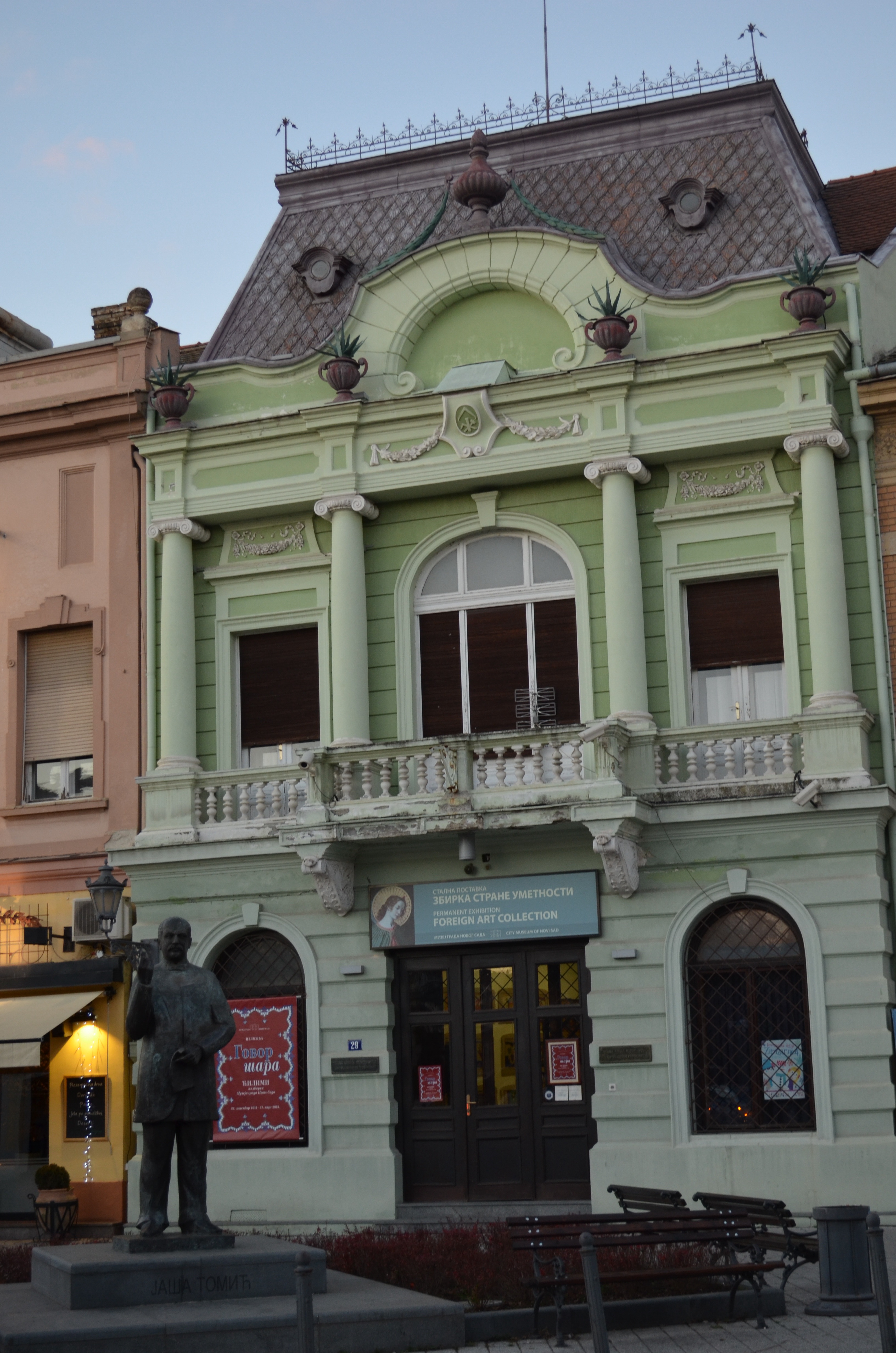
Novi Sad marks our entrance into Serbia at the start of our 14 day road trip through emerging travel destinations in Europe: Bosnia Herzegovina (BiH), Montenagro, Albania, Macedonia (FYROM), and Kosovo. Having explored most of western Europe, I’m looking forward to touching the eastern parts of the continent, still raw from the 1990s.

Flying into Belgrade, I was pleasantly surprised by the pristine airport and newly built northern highway that led us to Novi Sad. I had this image of Serbia being this archaic-snowy-backwards-looking Russian country. You’ll be happy to know that none of the above is true, although it is still evident that the country is slowly, but surely, growing out of its war torn, communist era past.

image

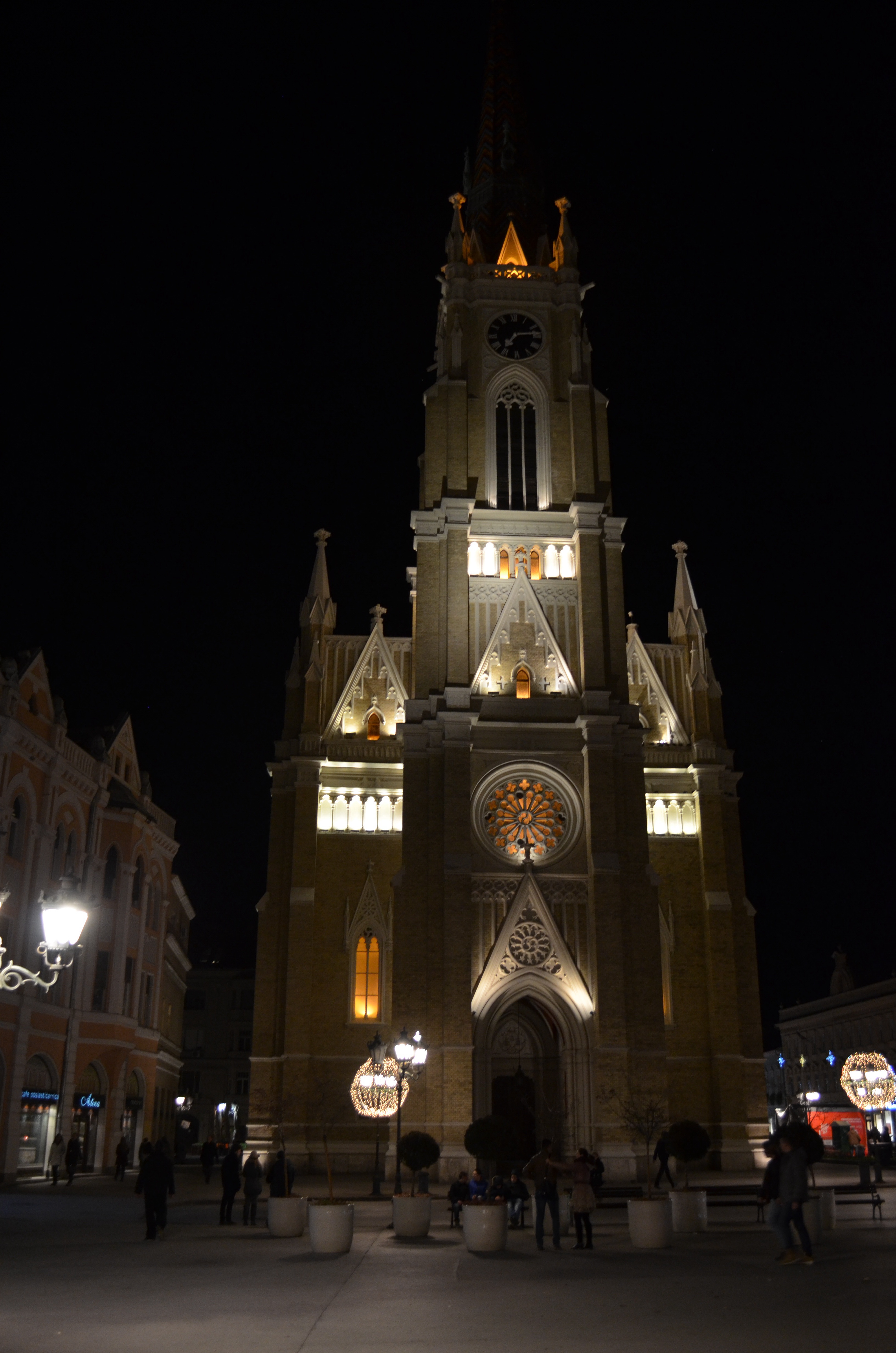
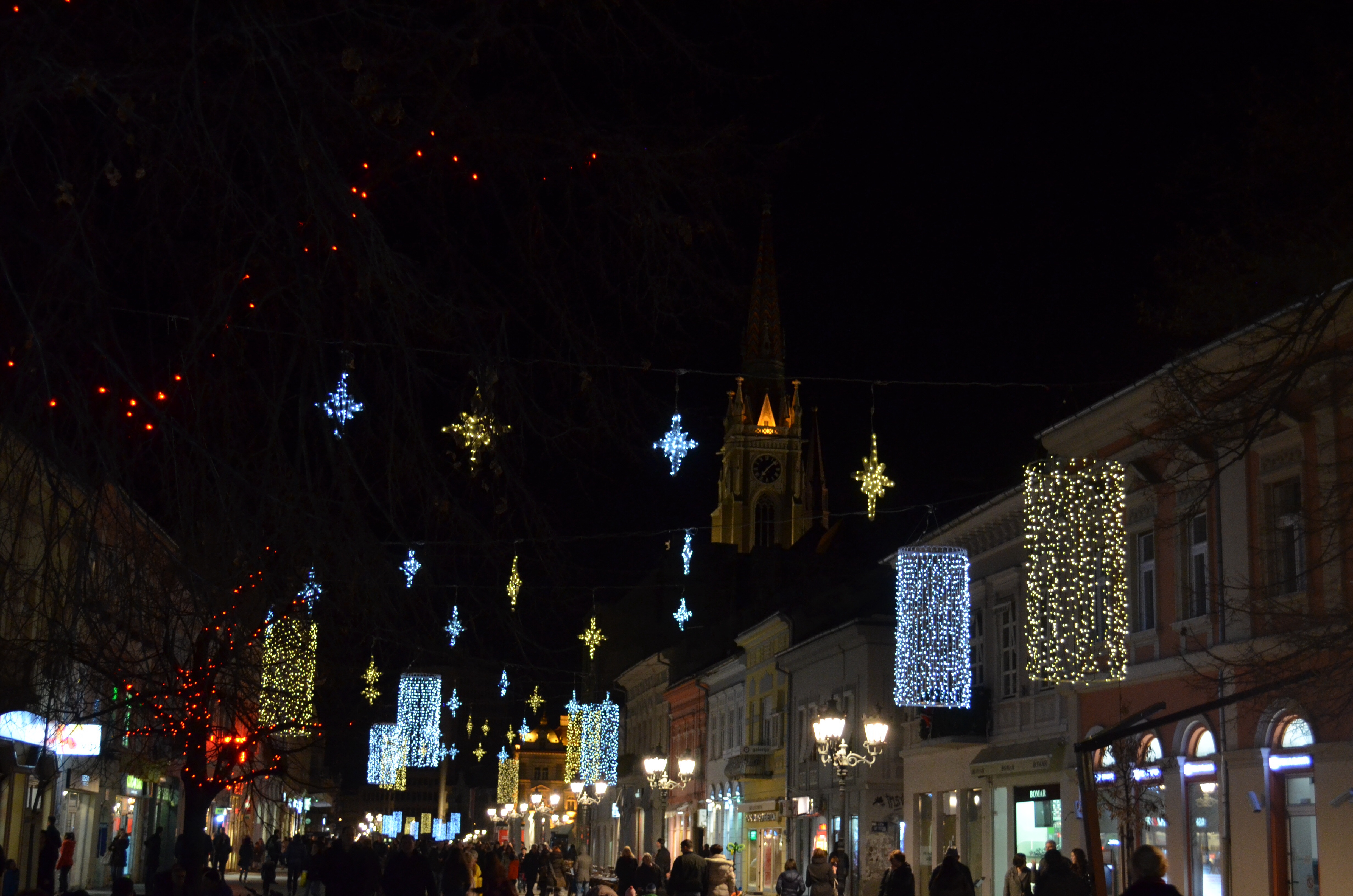
Guide books will say that Novi Sad is the ‘Athens of the North’, but I would say it is more the Budapest of South…but less vast and well-known. A 3 mile radius of newly built rainbow sandstone encompasses the town centre, leaving the rest of the outer radius less aesthetically pleasing.

image

The famous Danube river lines the outer edge of town. It provides a backdrop to the citadel which sits on the top of a ridge across from the city centre. With stunning views of the rest of the town and laid with artists and swanky wine bars, the citadel was easily the most interesting part of town.

Novi Sad is worth the trip if you use it as a stopover to hike Fruska Gora national park, however, not necessarily recommended otherwise. Happy to have seen it, but not needed if short on time.

Fruska Gora
On our way out of the city we passed through a beautiful national park called Fruska Gora.

http://www.npfruskagora.co.rs/eng.html

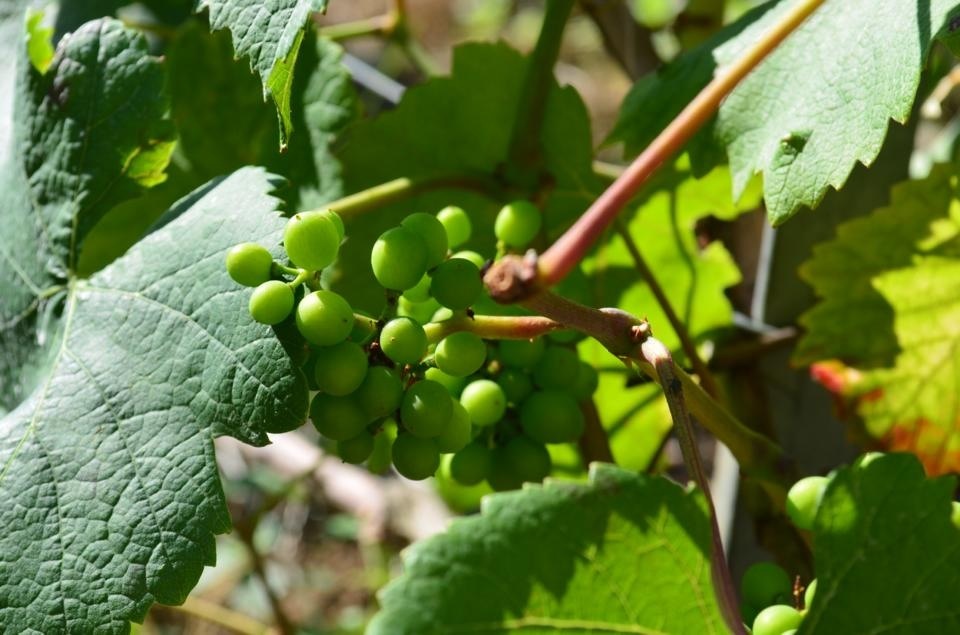
Famous for its 32 monasteries scattered through the forest, it is a beautiful walk worth taking. As an added bonus, wine growers also populate the area primarily focusing on white chardonnays – a perfect way to end a day of walking!

image

image

Trappist Breweries: An introduction

If there is anything about Belgium you should know, it is about beer (and politics, but that is a lot less fun).

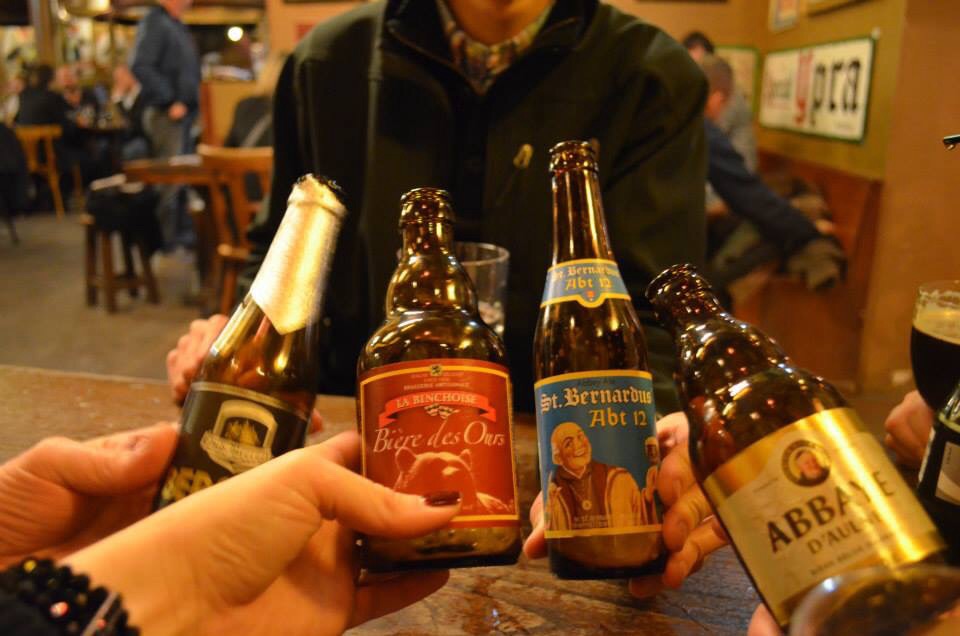
There are upwards of 180 breweries and 700 or so different variations of beer in Belgium making it one of the worlds top places for true Micro-brews. One of the more famous variations of beer, and supposedly some of the tastiest in the world, are the Trappist breweries. These breweries are extremely rare: there are only 10 in the world and 6 of them reside in Belgium.

Brewed by Monks, all funds collected from selling the beer go to charities or to fund the abbey; so you can take pride in the fact that while you are enjoying your 8% brew, you are also supporting the abbey fund as well as charities from around the world!

Visiting Trappist Breweries
The ability to visit these exclusive breweries varies by the monastary.

image

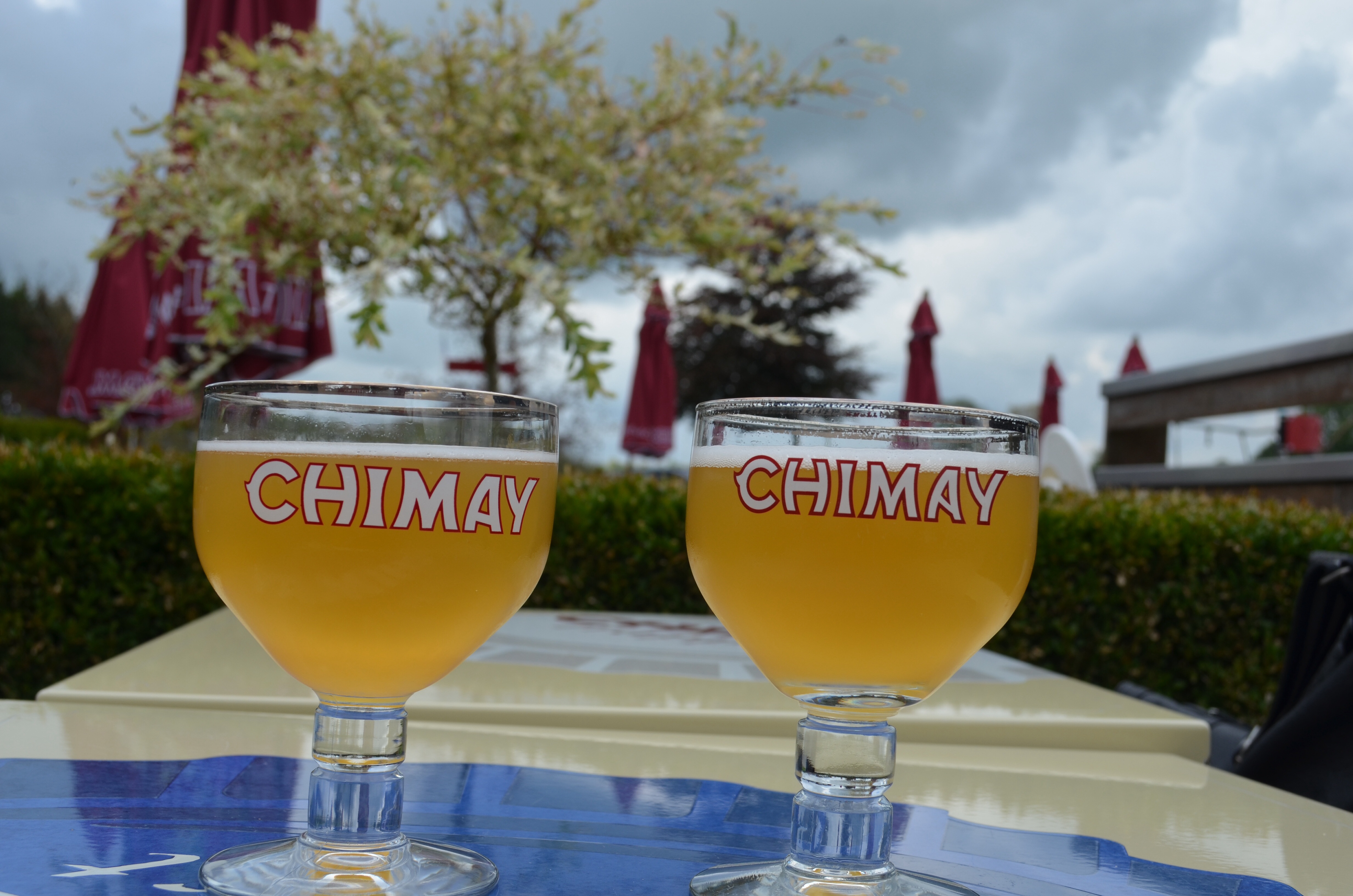
Chimay is the most well-known of the breweries and exports to all parts of the globe. However, despite its global name, visiting the abbey/gift shop (no Trappist breweries allow you to take tours of the brewing process) is underwhelming to say the least.

For 6 Euros you can take a mini-self guided tour on Chimay and its charities, however, you will be done with the ‘tour’ in about 20 min. Attached to the mini display is a pub and mini-gift shop which allows you to buy suvineor glasses. Overall though, not worth a special trip if you only have a few days in the country.

image

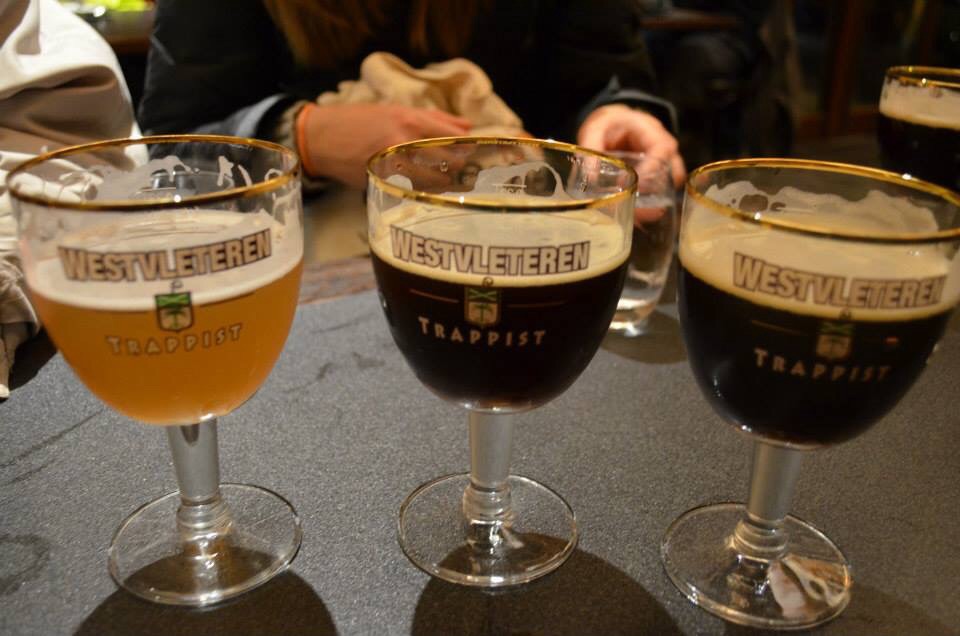
Westvleteren, on the other hand, I would highly recommend. Famous among beer lovers, it has garnered many awards, including being named “the best beer in the world” for its dark, complex 12 variety.

The title, however, I believe comes from its exclusivity rather than actual taste. Westvleteren beer is not sold on the economy and it is one of the hardest beers to get your hands on. The only way to taste or buy the beer is to visit the small cafe attached to the monastery or schedule an appointment buy calling their appointment line – which is not always open. Buying the beer you are looking for (they have a Blonde, 8 & a 12) is not guaranteed either, even if you have an appointment to purchase a case. The monks brew a certain amount of each batch according to what they need to finance their monastery and nothing more. This modest beer industry creates an ever rising demand for their complex, interesting brews.

If you want a more inside look at how trappist beers are made, I recommend a trip to St. Bernardus. Only a few clicks away from the famed Westvleteren, it is rumoured that St. Bernardus has virtually the same beer receipe as Westvleteren as they both come from the same origins.

From 1962 – 1992 St. Bernardus brewed beer on behalf of Westvleteren. Then in 1992, Westvleteren broke away keeping to more traditional means of production while St. Bernardus expanded to international exportation.

http://www.sintbernardus.be/geschiedenis.php?l=en

Other Belgian Trappist breweries not mentioned above: Orvel, Westmalle, Archel

image

What’s the difference?
If you are a Bud Light type of person, you will be sad to know that your light lager goes bad after 9 months in the bottle.

Trappist beers (and many other Belgium brews), however, preserve similar to a champagne – and are bottled the same. Larger champagne bottles preserve the beer for much longer than your regular 12oz, lasting 5-6 years or longer. They also taste that much better and pack a heavy punch being fermented twice or sometimes even 3 times in the case of triples.

With so many beers to try and not enough days in the year to sample them all, Belgium is the Mecca for beer lovers.

The Flower Carpet Festival: Brussels

Since moving to Belgium, I have been pleasantly surprised with how many festivals, brocantes (Flea Markets) and WWI/I commemorations occur nearly every weekend.

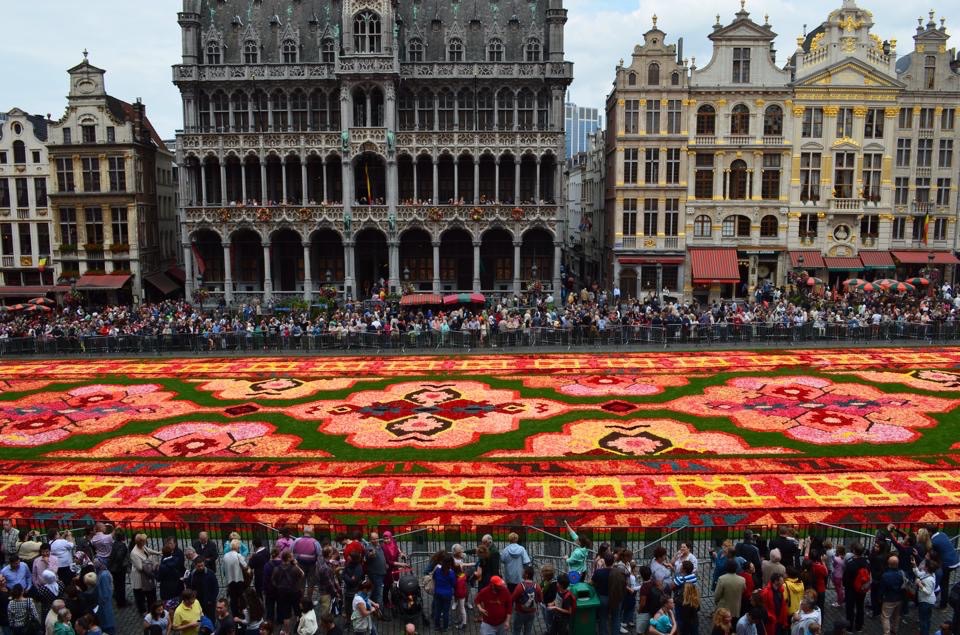
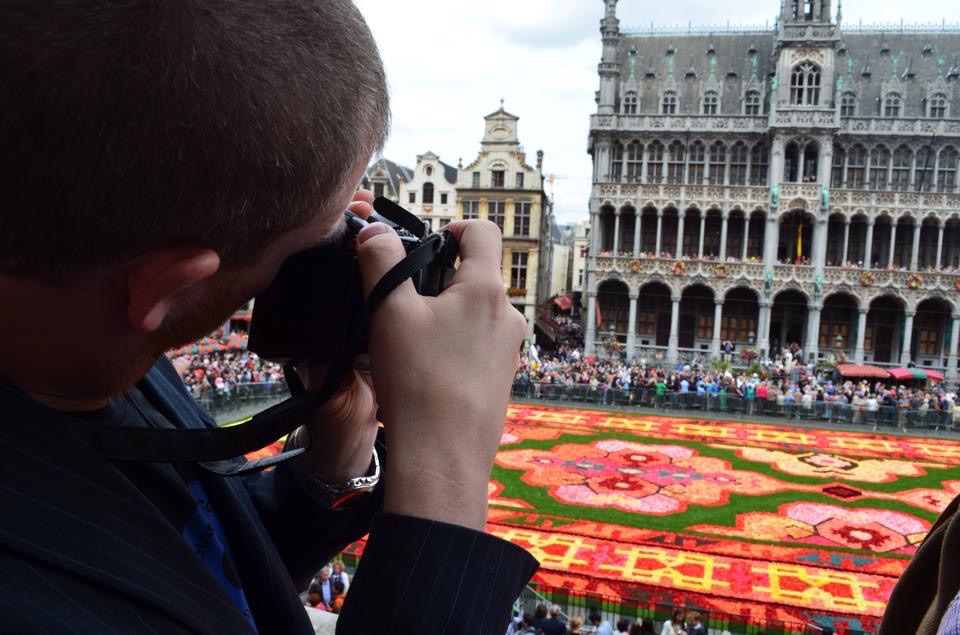
Taking place only once every two years, the flower carpet festival is one of the more famous festivals out of Brussels.

image

Began in the 1970s, this floral arrangement is planted directly into the cobblestones of the Grand Platz. Months of preparation go into the design as it is all put together over a day and lasts for only 3.

The significance of this festival is in the primary use of the flower, begonia. Belgium is the worlds largest producer of Begonias cultivating nearly 60 million flowers annually and exporting to the likes of The Netherlands, France and USA.

image

Mark you calendars for the next one – August 2016. More info can be found on the link below.

http://www.flowercarpet.be

The Road to Champagne

In April, I found out I got, yet another, assignment overseas. This time, it was to Southern Belgium working with our international partners at NATO. I am not quite sure how we pulled it off, but we somehow got the opportunity to go from one dream assignment to another.

Not to let an opportunity to be wasted, we took the move as a chance for a road trip from the northern UK to Southern Belgium with a key stop along the way — Champagne, France

image

For such a well-known, world renowned region, it is surprisingly understated – and simply – French. There are 2 main cities that you can stay in to explore the countryside, Reims or Epernay (plus Troyes, but I recommend one of these two). We decided to stay in Reims as it was only a 2.5 hr drive from our final destiantion.

Staying at a local B&B (http://www.laparenthese.fr/en/), I felt like I had died and entered some sort of French Indie film. The B&B offered a croissant and coffee for breakfast, which you could eat outside in their peaceful garden or by the window in your room, locals could be seen riding bicycles carrying a baguette and the weather was a near perfect 70-75F.

image

There are tours easily booked for the large champagne houses in the region (your well known Moet, Dom Perignon and Gosset), but these are just store fronts with elaborate costumes and fancy glasses. I was interested in physically going out to the vineyards and observing the champagne process first hand.

This proved surprisingly difficult – I had envisioned renting a bike, biking around to all the vineyards, sampling, and biking some more. However, no vineyards allowed you to just ‘stop in’ for a taste. After finally finding a tour that would accomplish what I was looking for, I soon understood why this was such an impossible task.

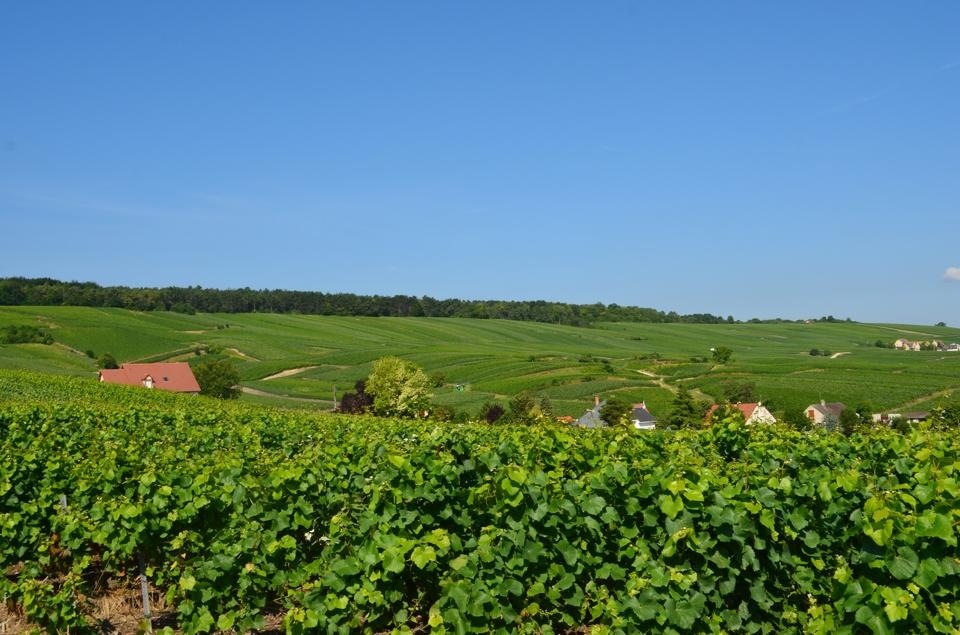
There are 320 villages in champagne with over 5000 small producers, yet they only make up 10% of the market of Champagne. 90% of the champagne produced is from your large producers, which buy grapes from farmers in the region and process them in large, sterile factories, not located near their pristine store fronts. While these small, independent producers and growers make up a majority of the population, they are run on such a small, untouristy scale they have no capacity for receiving guests.

image

I got the opportunity to see this first hand through a highly recommended and wonderful experience called RAW France (http://www.rawfrance.com). Not to be found easily on google, RAW France is run by Rachel, a Brit who fell in love with a local wine producer and saw the opportunity to share the independent champagne industry with the rest of the world.

Taking us on an individualised tour of Sacy, a small village outside Reims, whose whole town is involved in some way in the wine industry, I learned why independent champagne houses are so much better than your large, big name brands. All starting out as towns of farmers who sold their grapes to the large producers, local farmers in the 1950s looked at the price they were getting for the grapes versus the price the champagne houses were selling for the bottles and decided they could do better producing wine themselves, thus the independent champagne movement began.

http://www.france-independent-winegrowers.com/
(this includes all independent wine growers, select the region for the full list)

image

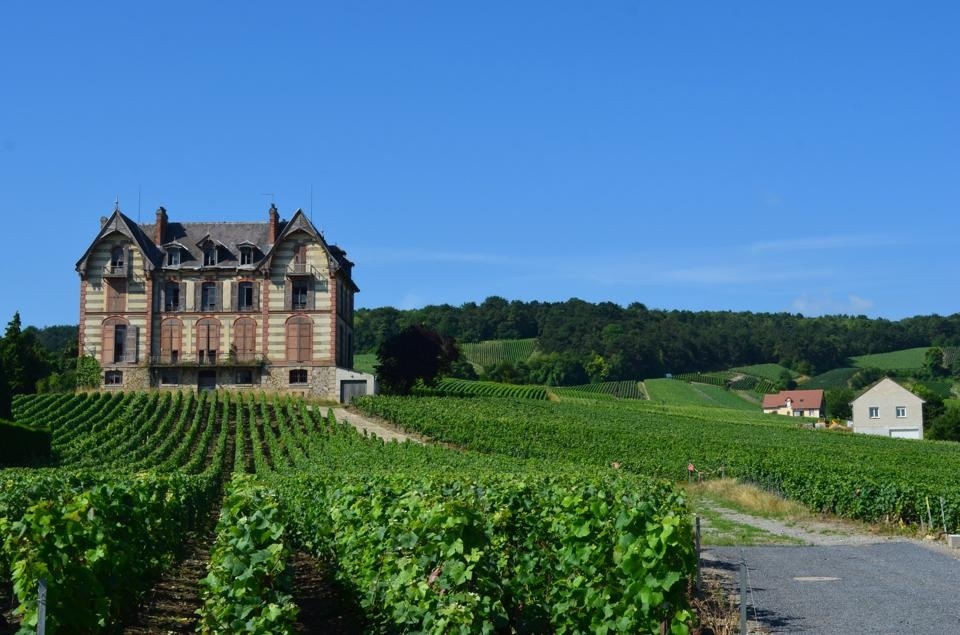
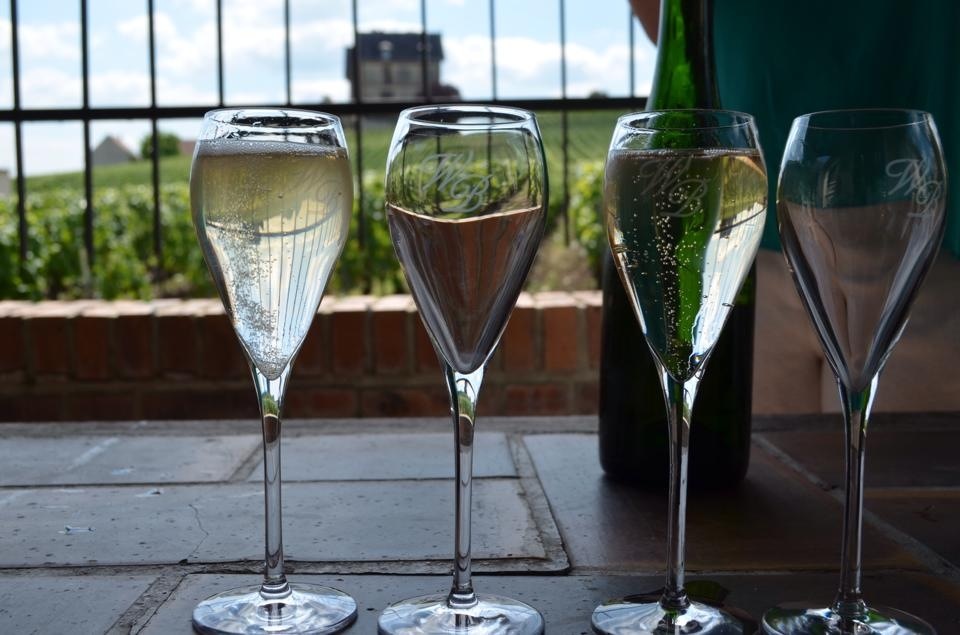
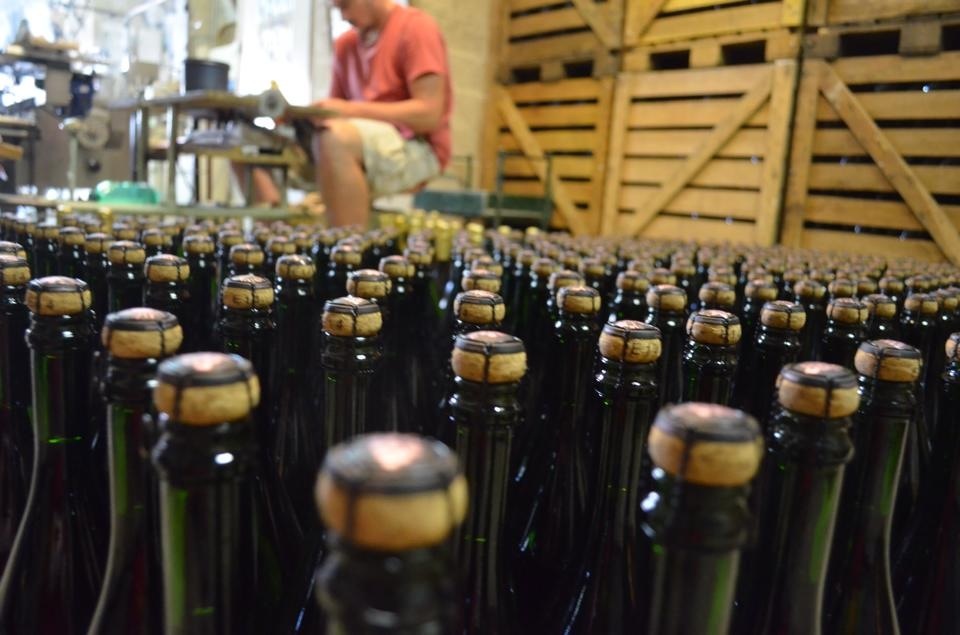
After showing us around the Wafflart-Briet patches of land spread out in sections over the hillside, we got to see the cellar where the fermentation process begins and where it all ends, in the labelling process. To top off the whole experience, we labeled our own bottles of wine, and concluded with champagne tasting and pairing on the porch of the family chateau overlooking the vineyards we just walked around.

image

The best part? You can purchase these bottles (of gorgeous) champagne for just € 15-20.Their competators? The same bottle (and quality) will cost you upwards of €100 from one of the large champagne houses. These grapes are taken from the same region, fermented using the same process; the only difference is the marketing. Also, independent producers do not exported; 80% of all champagne produced is drank by the French. They keep all the inexpensive quality stuff for themselves and export the rest!

(Not that I can say I blame them)

The UK top 10 (plus some Ireland)

Every time I am looking to travel somewhere, my favorite way to widdle down ‘the must sees’ is to look at recommended top 10 experiences. As I prepare for my next assignment, and after living in the commonwealth for 2 years, below are my recommended top 10:

10. Start with the obvious – Hit London, Edinburgh & Dublin (Belfast as well but I cannot comment as I never made it there.)

You will have your favourite out of the 3; it is difficult for me to pick between London or Edinburgh, but Dublin is definitely not on my list of top 10 cities of the world. Go for the Guinness Factory and then get out of the city. Ireland is so much more than Dublin.

Just a few need to knows about each city:

London: London Walks are a must
http://www.walks.com

If you have the opportunity, go during Christmas. The city resembles NYC with its lights and displays, but even better, it has a German style Christmas market along the Thames that just makes you smile.

If not the winter, then the summer – hit Shakespeare original theatre. Reconstructed (as the original burned down several times) in its original liking, the theatre still performs Shakespeare’s famous plays, but only during the summer months as there is not enough sunlight in the winter.

Edinburgh: Say this with me ‘edin-bra’ dont pronounce the ‘G’; you will embarrass me as an American.

Some recommended tourist sites: Whiskey experience (for those new to the spirit), St. Mary’s close, Edinburgh castle, Cannons Gait (pub on the royal mile) on an evening – not sure if this is a common occurrence but my sister and I happened to walk in there 1 evening and find a trio of bagpipes guitar & singing – wonderful experience
*See #9 then make sure you come back to this city during non-festival time. It is a totally different experience

Some recommended walking tours:
http://www.viator.com/tours/Edinburgh/Underground-Vaults-Walking-Tour-in-Edinburgh/d739-293404VAULTS
(similar, but different to St. Marys close)

http://pottertrail.com
(for all you Harry Potter fans – can also grab a coffee in the Elephant cafe where JK Rowling wrote some of the novels)

http://www.newedinburghtours.com/daily-tours/new-edinburgh-free-tour.html

Dublin: Look at what I said above. Grab a pint and then leave.

9. Save your visit to Edinburgh for festival time: August
The Fringe and the military tattoo – 2 of the most famous events on the island. The Fringe festival is the largest comedy festival in the world and brings millions of visitors to this normally not-so-crowded city

http://www.edintattoo.co.uk

https://www.edfringe.com

If not August, then for New Years for the Scottish celebration of Hogmanay – one of the best places in the world to go for New Years.

Home

8. Can’t Forget about Wales!
Wales is best known for its beautiful countryside. Bordering Yorkshire national parks, Snowdonia national park is Wales most famous. Spend your time in Wales in this region and try out camping or ‘glamping’ – you will not forget the experience of staying in a tree house in the middle of the Welsh countryside!

http://www.glamping-uk.co.uk/Wales/Glampsites/

http://www.hideaway-in-the-hills.com/wales/glamping-ardudwy-wales.php

http://www.eryri-npa.gov.uk/home

There is also one of the longest zip lines in the world. Outdoors is the way to go in this country:
http://www.zipworld.co.uk

Note on Cardiff: We did Cardiff for New Years 2013. It is a surprisingly modern city…with nothing remarkable to report. Hit the country in Wales and check your life box on the longest zipline in Europe.

7. The Irish countryside.
The one thing you must do when you are in Ireland is go to a country pub. Forever my favorite memory of Ireland is sitting in the small town of Doolin (famous for the Cliffs of Moor) and hearing the local townsmen play.

See below post for more details:

Irish Countryside

6. The Seaside
Scarbough, Plymouth, Dover

‘Going to the beach’ has a completely different meaning in the UK than in the rest of the world. It is far too cold to ‘layout’, swim (although the locals do) or do most of the ‘normal’ beach activities. That being said, the seaside, has some of the most glorious cliffs and quant, English towns that make the lack of beach weather worth it. By far my favorite in all these locations are the famous white cliffs of dover:
https://www.nationaltrust.org.uk/white-cliffs-dover/

For all locations visit:
http://www.seasidebreaks.com/places/

Top 10:
http://www.essentialtravel.co.uk/magazine/top-10/uk-coastal-towns.asp

5. The Yorkshire Dales

I might have a slight bias on this having lived in the region for 2 years; regardless, the Dales hold some of the most beautiful, green rolling hills I have ever seen.

The best way to experience this region is to hike it. They have a series of well marked footpaths through country villages and farm land. It is difficult to narrow down where to go in the Dales, but I recommend the below itinerary:

Stay in Harrogate, Ripon or Knaresbourgh (Harrogate being the biggest/fanciest)
Walk to/around fountains abbey
http://www.nationaltrust.org.uk/fountains-abbey/

…and Pateley Bridge
http://where2walk.co.uk/area-information-yorkshire-lake-district/about-yorkshire-dales/nidderdale-inc-pateley-bridge/

…and then head back to harrogate to grab a pint & hit the turkish baths
http://www.turkishbathsharrogate.co.uk/Pages/home.aspx

The Lake District is another area not to miss, but definitely another overnight stay required. Get a house on Lake Windermere and experience the peacefulness of the area
http://www.lakedistrict.gov.uk

With so many walks and hikes in the region, don’t limit yourself if you have time; out of all the sites with hiking info, where2walk has a detailed map of nearly all walks in the region. Take a look a peruse your next outdoor adventure

Where 2 Walk

4. Go to the races
I realise there are horse races around the world – including Preakness which is a 45 min drive from where I grew up – however, the races in England are different.

I am not sure if it is the accent, or the fact that they are frequented by more 20-somethings than any other age group, but the culture of horse racing is huge in the UK.

There are several key ones: Ascot (around end of July in Southern England), Grand National (April in Liverpool) and the Cheltenham Festival – the largest competition between Irish and British horses occurring around St. Patrick’s Day every year.

But you don’t have to take part in the huge events to get a taste of the action. Local towns (my favourite was York) have their own local races that give you just as much action for half the price.

Whatever you choose, make sure to get your hat on, a suit (kilts also OK for the Scots) and prepare for some English style betting and drinking!

http://www.royalascothospitality.co.uk

http://www.aintree.co.uk

http://www.cheltenham.co.uk/fixtures/the-festival/

3. The pub

This one is an easy one to knock out – but something that deserves being high on the list.

Pubs and the UK go together like the Queen and England – you can’t have one without the other. The integral part of the pub in ones daily life and social staple is unlike anything I have ever witnessed in other cultures. Sure there is a local watering hole, etc. but nothing so consistent across the country.

Go thing is – because it is so consistent, you can pick nearly any pub and be successful. But a few tips:

1 – Go for the oldest looking one with no gambling machines
2 – Observe the clientele; this will indicate whether you want to enter the pub….
3 – Go to one in a small town and go solo. Strike up a conversation with a local who has been frequenting the pub for years

Top pubs:
http://www.thegoodpubguide.co.uk/REGIONS/FEATURES/2014-Awards

Pub crawls:
http://www.theguardian.com/travel/2012/nov/30/england-pub-crawls-leeds-cambridge-london

2. Go to Stonehenge during the Solstice or Equainox

4 times a year Stonehenge turns from a high trafficked tourist spot to Pagan holy site – or in Vive terms, hippy site.

Why go when the hippies are out? Other than being awesome! It is one of the few times a year when you are able to walk up to the site and actually touch the rocks.

In fact, you can have full up worshipping sessions with the rocks, mirrored in some of the same traditions as when the stones where to put together. While I am not a Pagan myself, it is quite a magical (and crazy) feeling to be among the stones with people that are, and believe in there healing abilities.

More details on the Winter Solstice experience:

Winter Solstice at Stonehenge

Facts on visiting:
http://www.english-heritage.org.uk/daysout/properties/stonehenge/

1. Northern Scotland: 2 words, Whisky Trail

The highlands – (this deserves an audible sigh) – northern Scotland, it conjures up images of men in kilts, bagpipes and snow capped mountain tops. Amongst this wondrous landscape is a land of old celtic legends (lochness), small towns, thick accents – and – whisky.

There are many distilleries in this region, however this trail narrows your selection to the Speyside region touring both large and small distilleries.

Home

Even for those non-whiskey fans, seeing the country based on a windy, distilled road is seeing Scotland first hand. Despite all the amazing things you’ll see in London and Edinburgh – this takes the cake.

More info on northern Scotland:
http://www.visithighlands.com/inverness-loch-ness/
—————–

Safe travels!
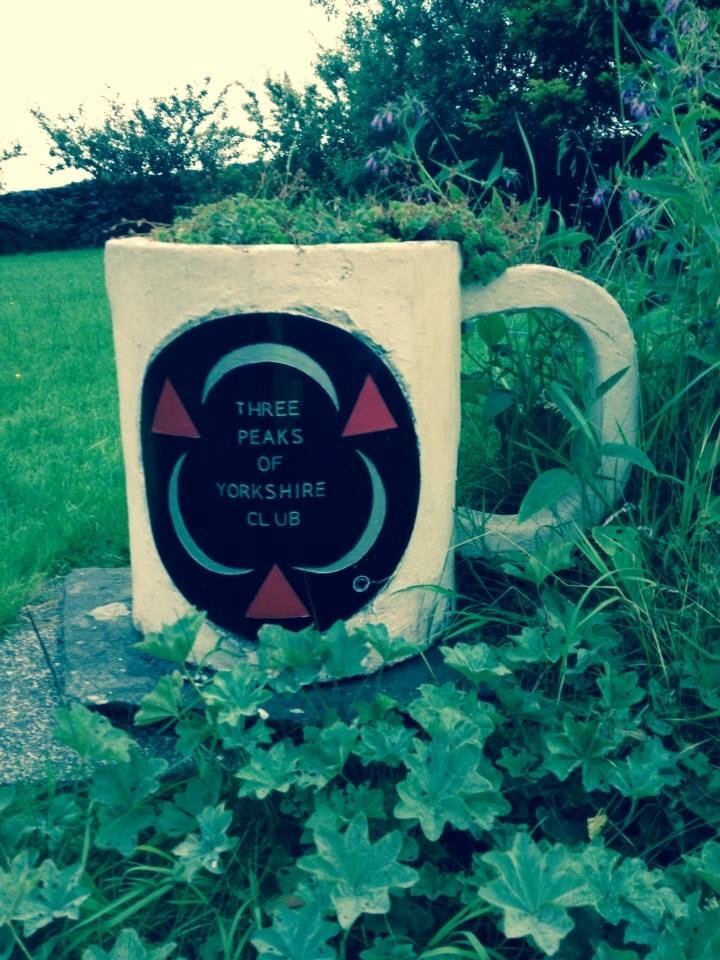
The Yorkshire 3 Peak Challenge

Having lived in the Yorkshire Dales for nearly 2 years, I could not leave the UK without completeing the Yorkshire 3 peak Challange.

Challenge: Climb the 3 highest peaks in the Yorkshire Dales in under 12 hours. Distance: 24.5 miles, Height: Pen-y-gent (691 metres), Whernside (728 metres) & Ingleborough (723 metres)

image

Being a generally fit individual, I thought a long walk would be relatively easy to complete, so I set the goal to make it in under 10 hours rather than 12. Without any training or experience, we set off on what appeared to be a nice Yorkshire 4th of July day – sunny with a bit of wind, about 70F/18C.

image

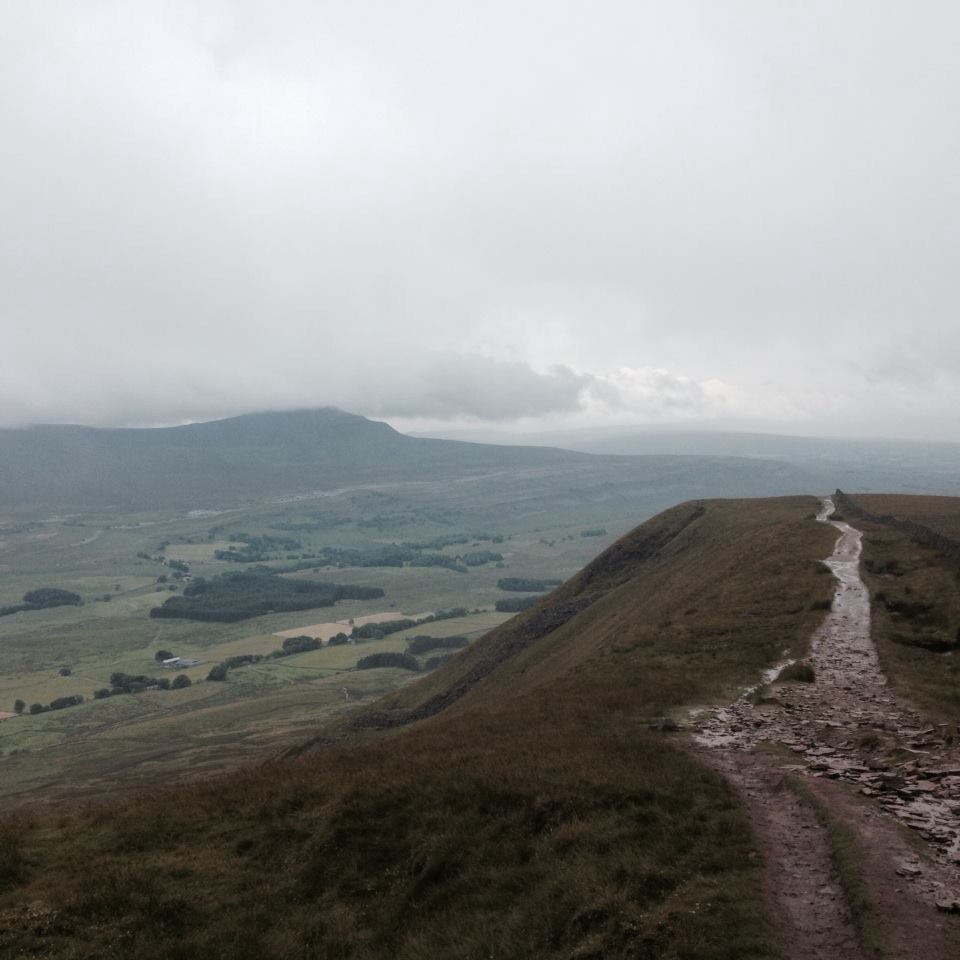
However, it soon turned into a typical Yorkshire Day and started pelting down rain. At this time, I was thankful we had decided to get a guide as I had come wilfully unprepared for any kind of inclement weather.

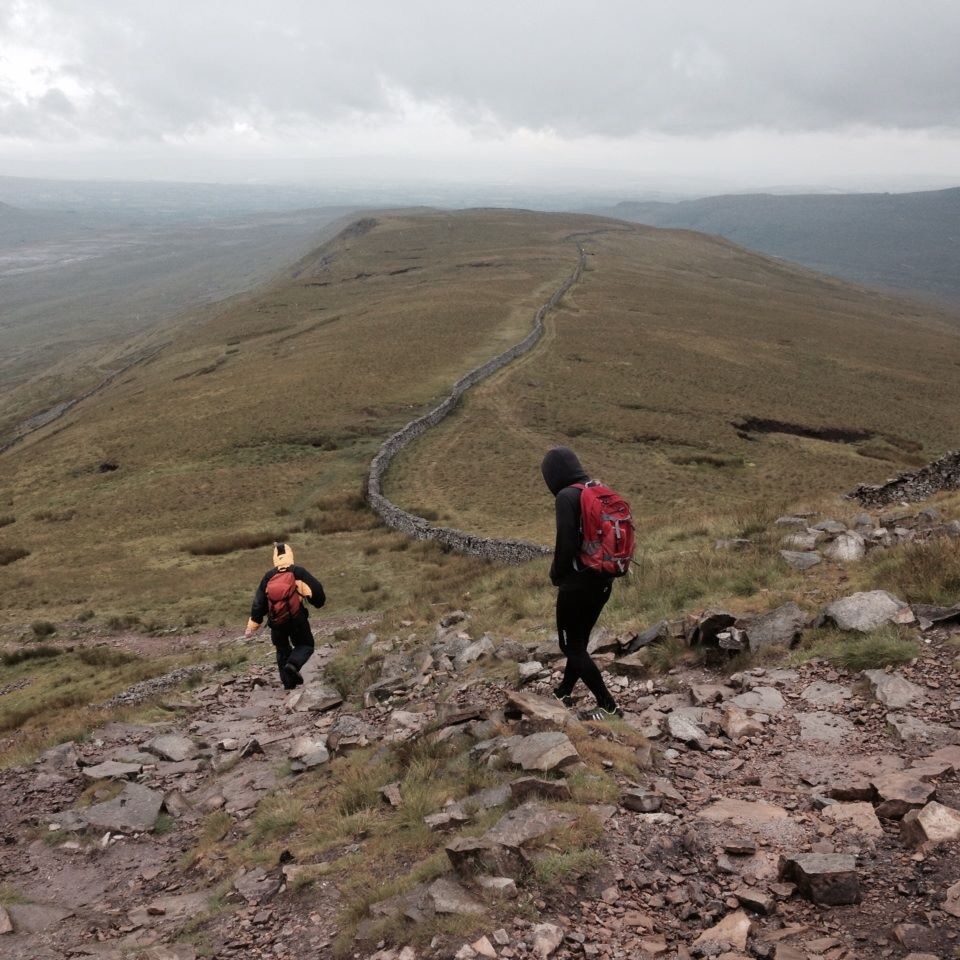
By the Valley of Whernside, the second peak, I was still feeling optimistic about reaching the end of the trail within our 10 hour goal – until I started the decent of the last peak, Ingleborough.

image

It seems that my 27 year old body had somehow hit a brick wall – my left knee simply gave out on me. With 5 miles to go I was forced to resort to hobbling my way to the finish line. What should have taken a little over an hour turned into over 2. Turns out it was good that we had set the pace relatively high as we would not have made it in 12 hours had we not kept such a good pace earlier in the day.

Lesson learned: Be prepared for the unexpected when doing something you have never done before.

Although I have hiked up Mt. Fuji, done a 4 day trek up the Lao mountainside and completed many triathlons, Half Marathons and other physical feats – Ingleborough defeated me.

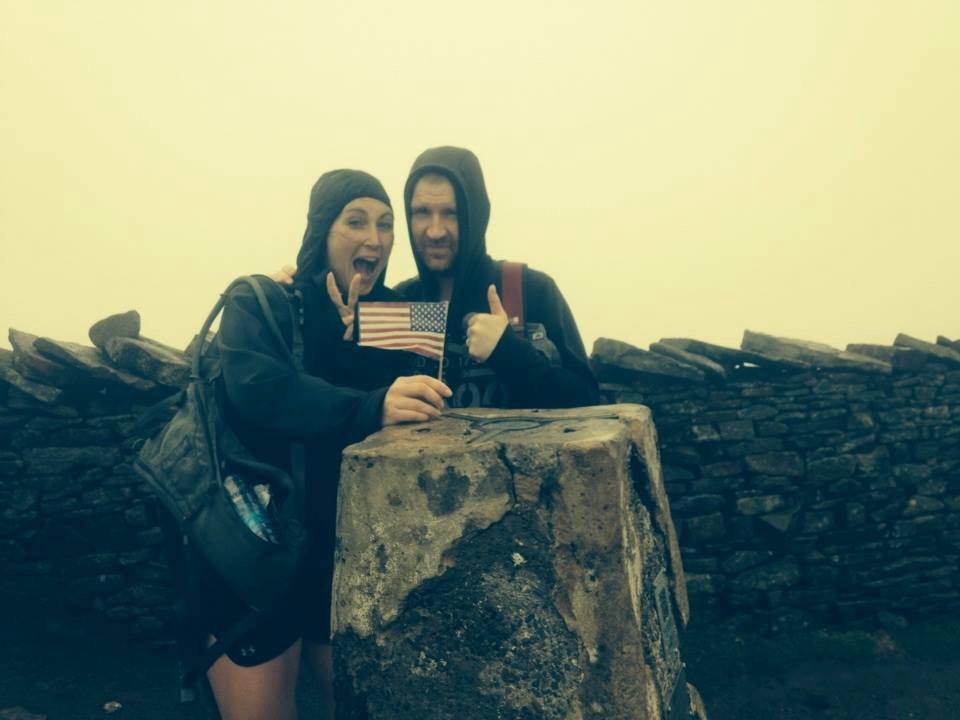
But all is not lost – we made it in under 12, completed the challenge, got the patch and checked another off the bucket list. Highly recommend doing some, if not all, of the challenge. The Yorkshire Dales are truly a thing to behold and one of the must do’s if visiting England.

image

————-
If interested in doing it yourself, here are some helpful links/recommendations:

Attire: Come prepared for any weather. Store wet/cold weather gear for the tops of the hills/peaks. Temperature changes drastically from the valley to the Peaks (and it also tends to be quiet misty/wet)

Physical shape: You do not need to be in excellent physical shape to complete – but we aware of your bodies limitations. I had previous issues with the knee that gave out on me – ended up pushing it too far. If trying to do it in under 12, shoot for 10 or 11 just to make sure and don’t take too long on breaks. Those are the areas that really eat up your time.

Guide or no Guide? Honestly, even if it is your first time going, you can easily complete to trail without a guide, especially if completing during the summer months/high season. Just do your research, bring a map and pay attention. Most paths are well paved/marked and filled with others completing the same task.

What to Bring: Other than clothing in case of inclement weather, make sure to stock up on lots of power bars, gatorade (lucozade for those in the UK) and of course water. You do burn a marathons worth of calories so come prepared with the needed boosts.

When to go: Summer months are recommended for both temperate weather and long summer sunlight. However, you will often run into long lines of hikers upon summiting each peak who had the same brilliant idea you did. So if you can get a a good day in either May or Sept I would recommend trying then. Bring a flashlight just in case it takes longer than you expect.

Helpful links on mapping & hiring a guide:

http://www.thethreepeakschallenge.co.uk/yorkshire-three-peaks-challenge/

http://www.lostearthadventures.co.uk/yorkshire-3-peaks-challenge/
————————————————————————————————————–

Other 3 peaks challenges in the UK for those who think Yorkshire is just too easy

National 3 peaks:
http://www.thethreepeakschallenge.co.uk/national-three-peaks-challenge/

Welsh 3000s:
http://www.thethreepeakschallenge.co.uk/welsh-3000s/

3 Peaks Yacht race:
http://www.thethreepeakschallenge.co.uk/sailing-three-peaks/

Welsh 3 Peaks:
http://www.thethreepeakschallenge.co.uk/welsh-three-peaks-challenge/

Irish Countryside

If you are going to go to Ireland, land in Dublin, grab a pint of Guinness and then leave. There is so much more to Ireland than Dublin.

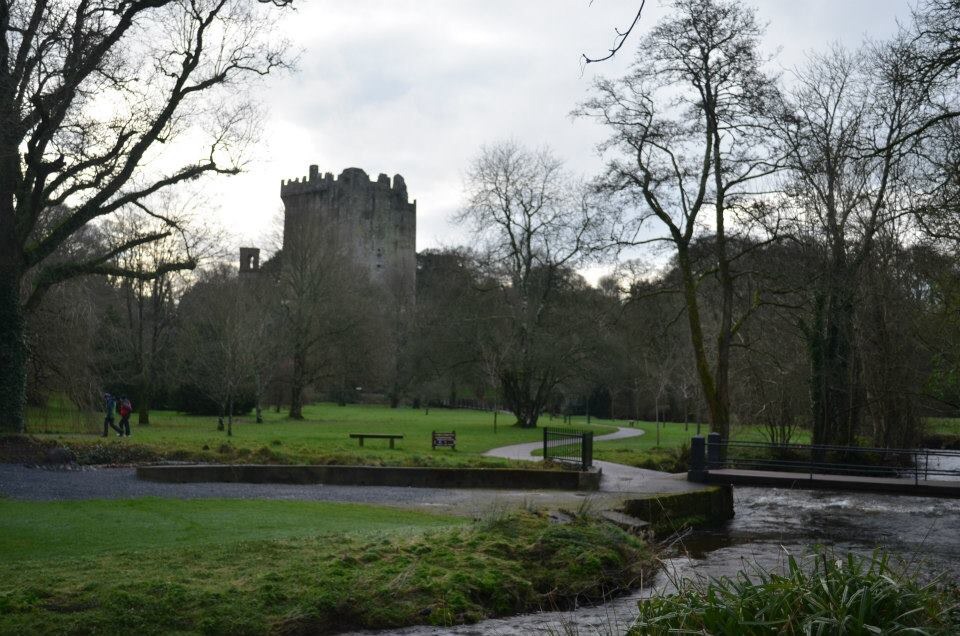
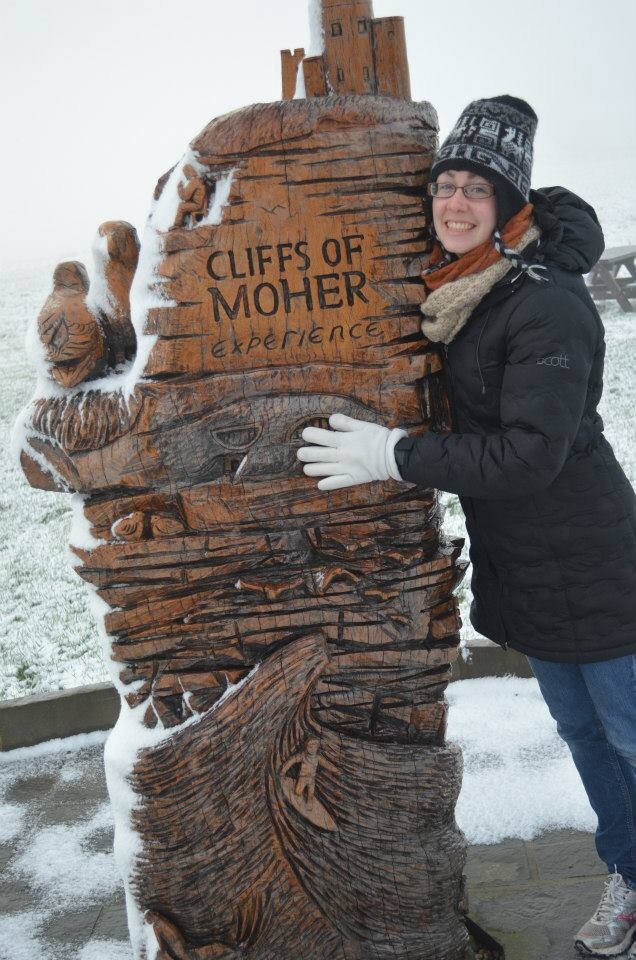
I spent a week exploring Ireland with my sister in 2013. Hitting the likes of the Blarney castle, ring of Kerry and the Cliffs of Mohr, there is no contest for what is better in Ireland. Small, local pubs paired with an Irish fiddle and a burning fireplace are by far the best thing to find and experience.

image


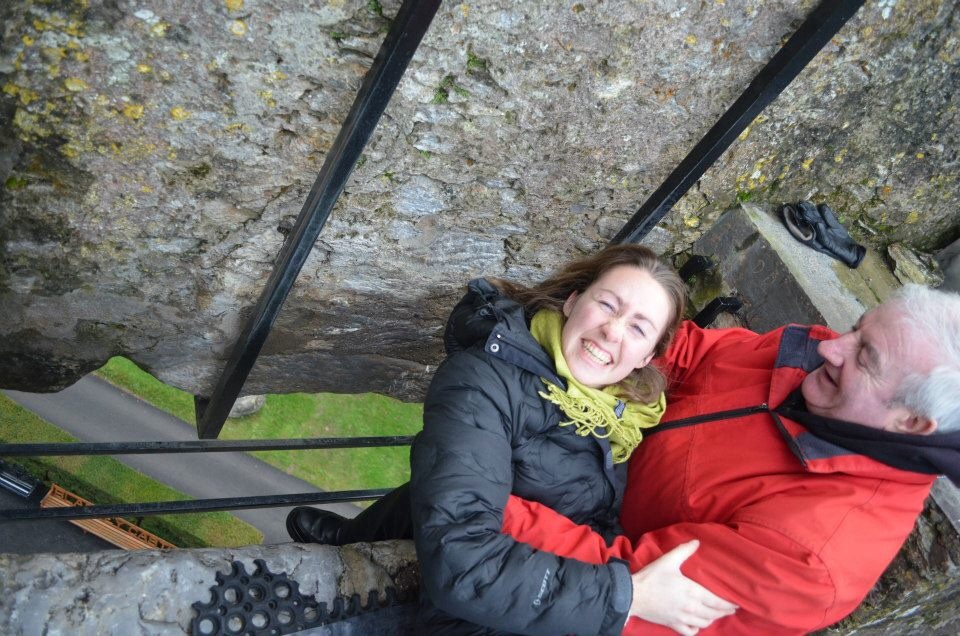
Kissing the Blarney Stone was a great check off the bucket list. Renting our own car, we missed the usual touristy buses and crowds of people (recommended). The castle that the stone is located in is in relative ruin, but well sign posted, which makes for a fun exploring, self-guided experience.

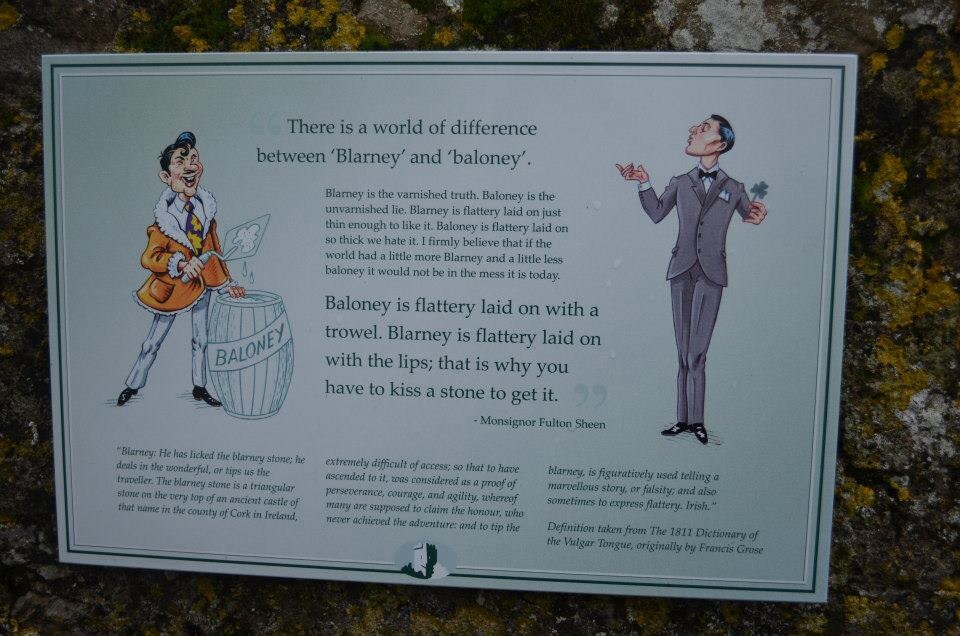
As legend has it, kissing the stone will give the smoocher the gift of ‘gab’ – being able to talk their way out of it. To do so does not come without some risk though, as the kisser has to hang backwards off the castle to reach the stone. Luckily, there is a willing local to assist you in this feat, for a small price (€1) – he will even clean the rock for those generally adverse to other smooching germs.

image

According to the castle walls, the legend comes from Cormac Teige McCarthy, The Lord of Blarney, who talked his way out of England’s requirement to have land ownership formally granted by the Queen of England. Upon receiving requests to title his land under Queen Elizabeth I, he replied with well written, subtle, complimentary messages that she soon realised he was flattering his way out of actually completing the request. As legend has it, at one point, after receiving another of his charming messages, she flung down his letter and said, “Oh! He’s just giving me a lot more blarney!”

And so we have our name.

image

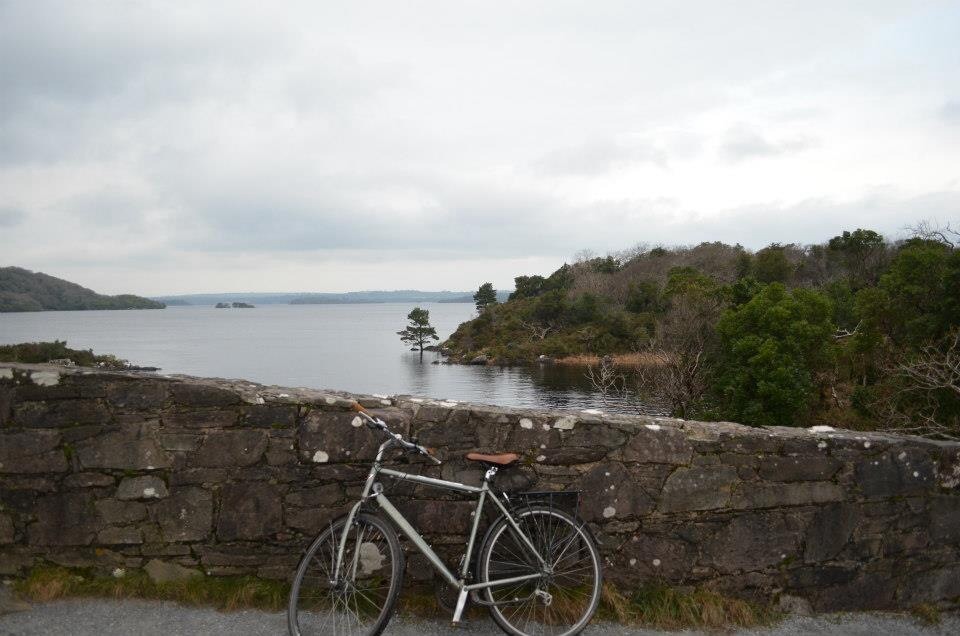
Using Cork as our sleeping quarters, we left the castle the following day and rented bikes from the small town of Killarney. Cycling the famous ‘ring of Kerry’ we were able to experience the Killarney national park with all of its hills cemeteries and greenery through the top of a bicycle.

image


Leaving the southern part of the country and heading west, we traveled to the small, unknown town of Doolin.

Doolin is my favorite. A town with a population of only 300 – it is best known for the closest town to the Cliffs of Mohr. A natural wonder, the cliffs and surrounding areas are truly a thing to behold.

We stayed in a little B&B just outside of the town centre (if you can call it that). Equipped with a cosy fireplace and a view of the seaside, I was sad we only planned 1 night in the place. Mendering around, we found 1 of only 2 local pubs in the town. Walking inside, I was bombarded with thousands of bumper stickers, bills from around the world and a burning fire place that was one of the most comforting sites I had witnessed.

image

Collected along the walls where my friends in army airborne units, state stickers and others that indicated a lot of my fellow Americans had also frequented this particular bar. As it was the middle of winter and it was off season, the pub was mainly filled with locals and it was obvious we were not recognised by the townsmen.

Then the fiddles started.

Heads turned from the newest arrivals to the reason everyone was here, to have a pint and listen to the local music. This was what I went to Ireland for. To sit in a little town and listen to the pub music. I was in heaven.

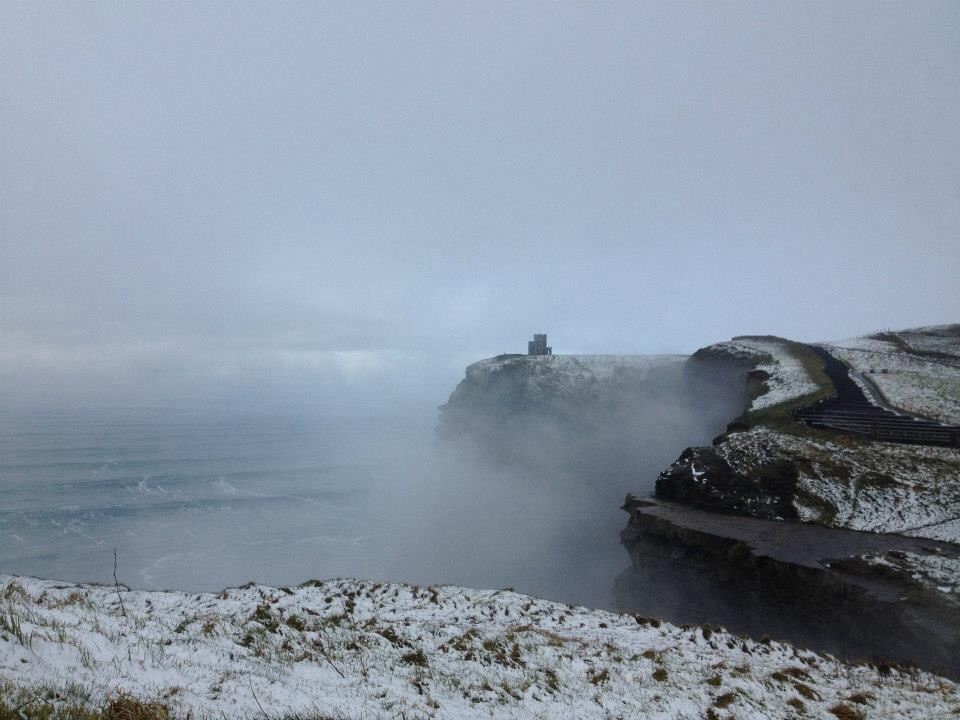
The only thing that could eclipse the sound of the fiddle and a fire were the cliffs themselves. Covered in a cloud of mist, the cliffs were a stunning example of Mother Nature. Home to the puffin as well as other aquatic life, my sister, a PhD candidate in Ecology, was in pure heaven examining the different artifacts found. Meanwhile, I was still daydreaming of fiddles.

A gorgeous country, Ireland, it renforces my believe that the best parts of a country are on the roads less traveled.

image


Le Tour de Yorkshire

20140802-143119-52279199.jpg

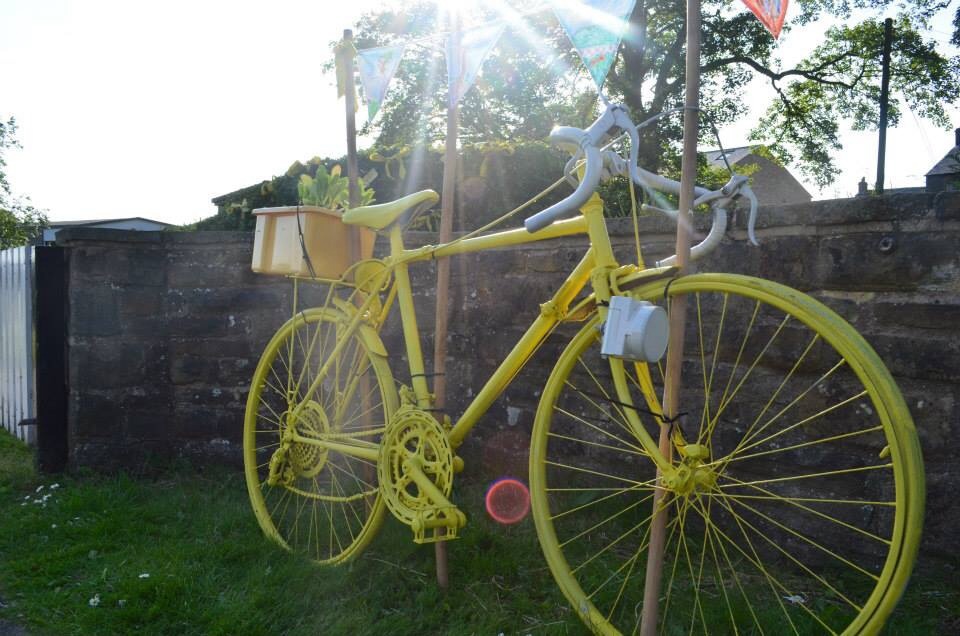
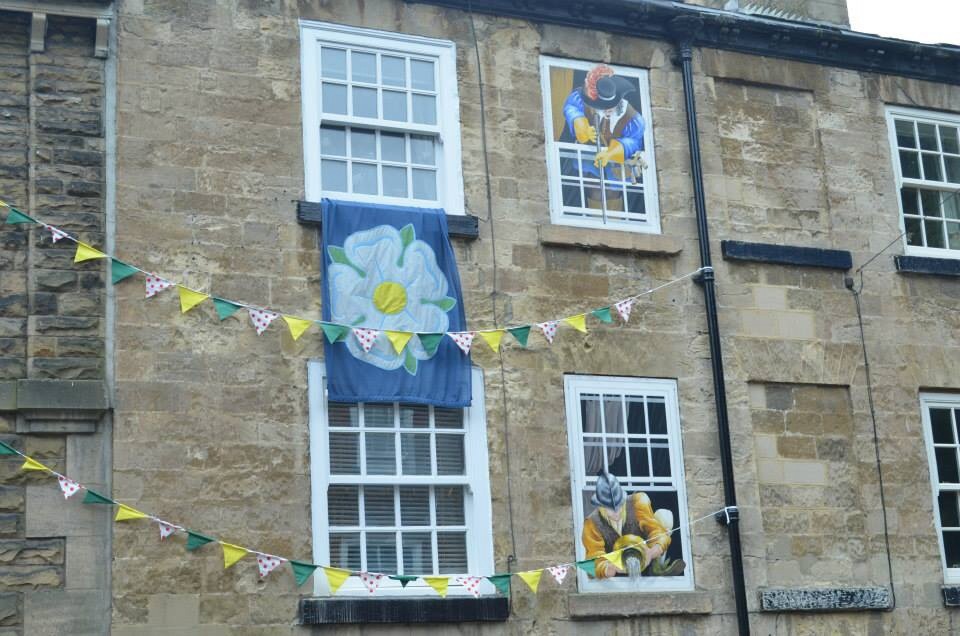
Leading up to the first stage of the 2014 Tour de France, North Yorkshire was ecstatic. Every small village and town put on its ‘Yorkshire Best’ filling the town with Yellow bikes, dotted jerseys and the occasional French flag.

image

To not only be a part of the preperation, but the event itself was a once in a lifetime experience that gave me newfound respect for the sport of cycling. To be honest, I always thought of cycling, and the tour itself, as kind of lame. We all know those avid ‘cyclist’ that somehow power through hours of cycling while still maintaining a healthy beer gut. I probably would have held that opinion longer if I hadn’t decided the best way to experience the tour would be to cycle the route myself.

While the pros managed to complete the 100 miles through the rolling hills of the Yorkshire Dales in 5 hours, we decided it would be prudent to split it up over 3 days. Taking a total of 15 hours over those 3 days, the rolling hills of England’s Yorkshire Dales were not easily conquered.

image

Starting in summerbridge and ending in the same locale, the route took us through Kettlewell, the Moors, Grinton and back through Ripon. We stayed in hostels along the way, including my favorite in Grinton which sat on the top of a hillside overlooking the valley we just climbed.

http://letour.yorkshire.com/stage-1/map

Although difficult, it was by far the best decision we had made. Not only was it stunning views and an intimate look at the British countryside, but we were able to watch the tour live in Harrogate, pinpointing exactly where the pros were on the trip.

image

The best part? Aside from witnessing the Grand Depart from start to finish, there is no greater satisfaction that having accomplished something challanging, only to truly enjoy the completion of it with a cold British Brew in your hand, and your friends on the other.


Bath

People have their hobbies. Mine are varied and change constantly – but there are a few that remain. Good food, good wine, great people – and spas.

This interest, possibly obsession, began when I first started earning more than $2.50 an hr waitressing and progressed from starving college student to military professional. After my first taste at the Palms, Vegas, I hit near snob status by the time I was done with Asia. Hitting spas in the likes of Japan, Laos and Thailand, I had experienced the Asian spa scene and was convinced they had some of the best in the world.

At least until I learned about Roman and Turkish baths.

20140802-121037-43837219.jpg

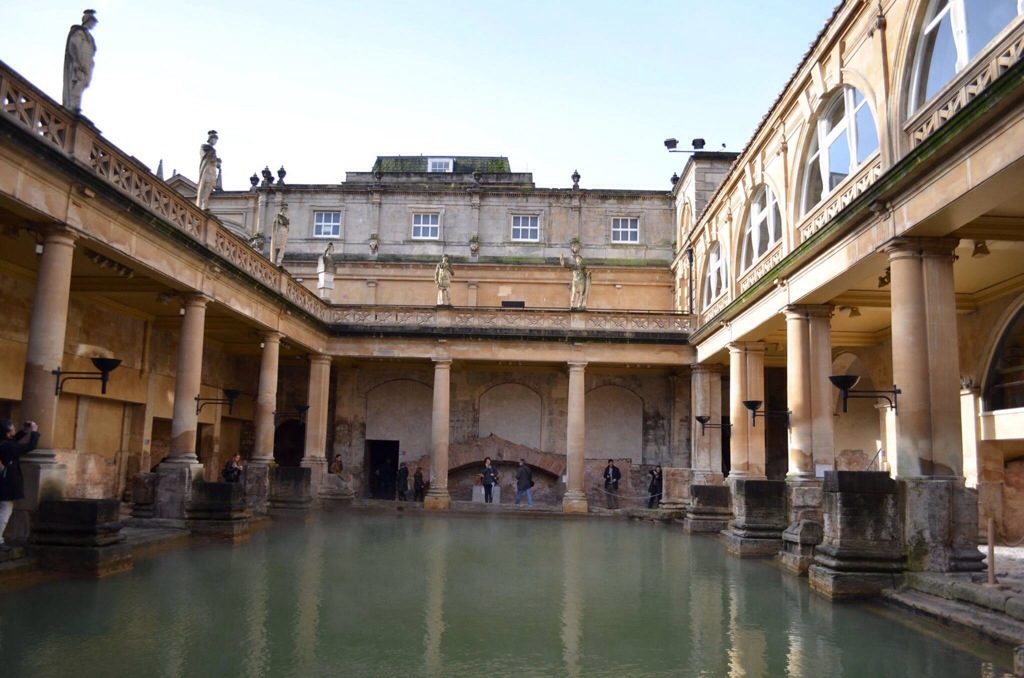
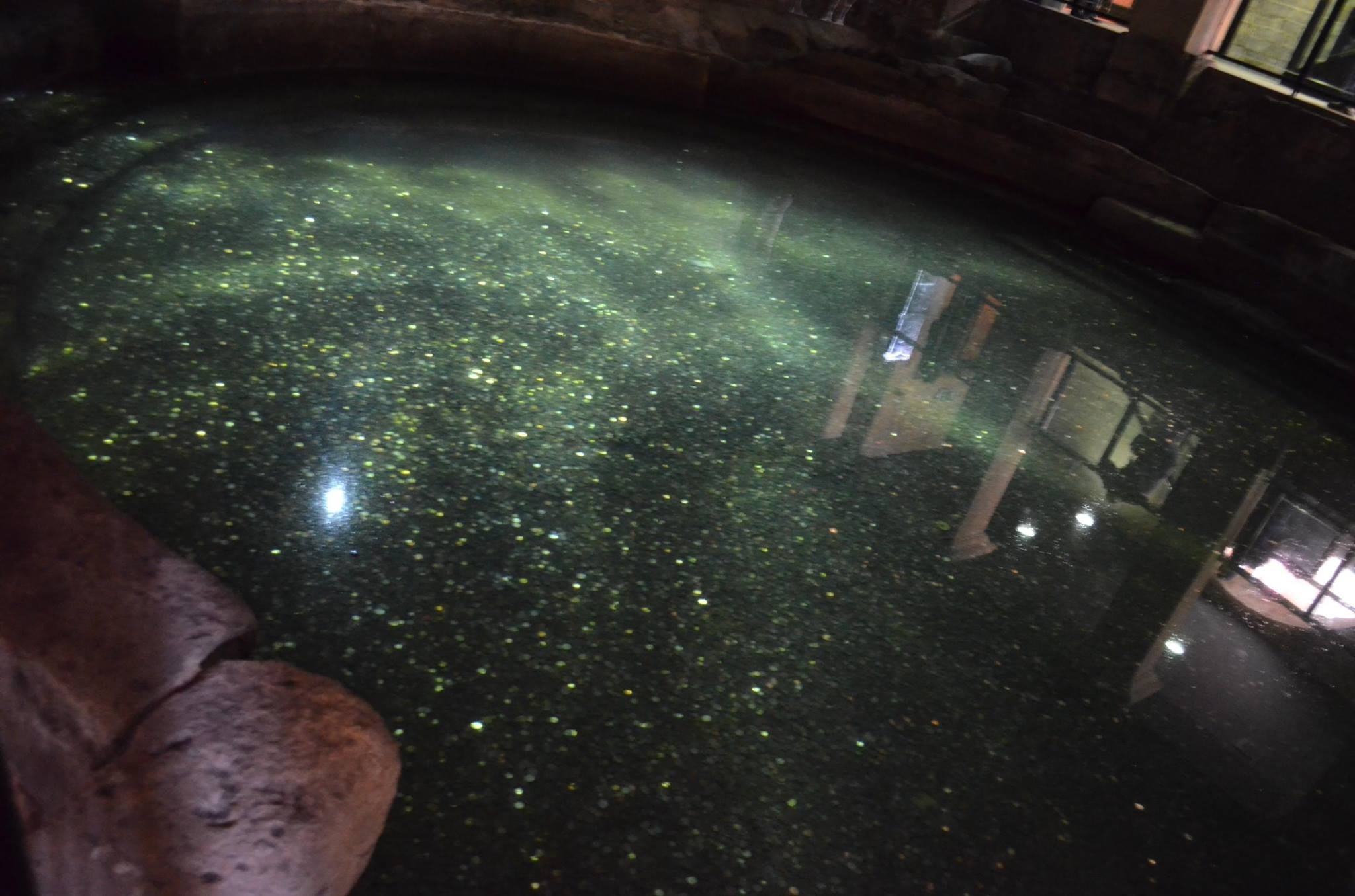
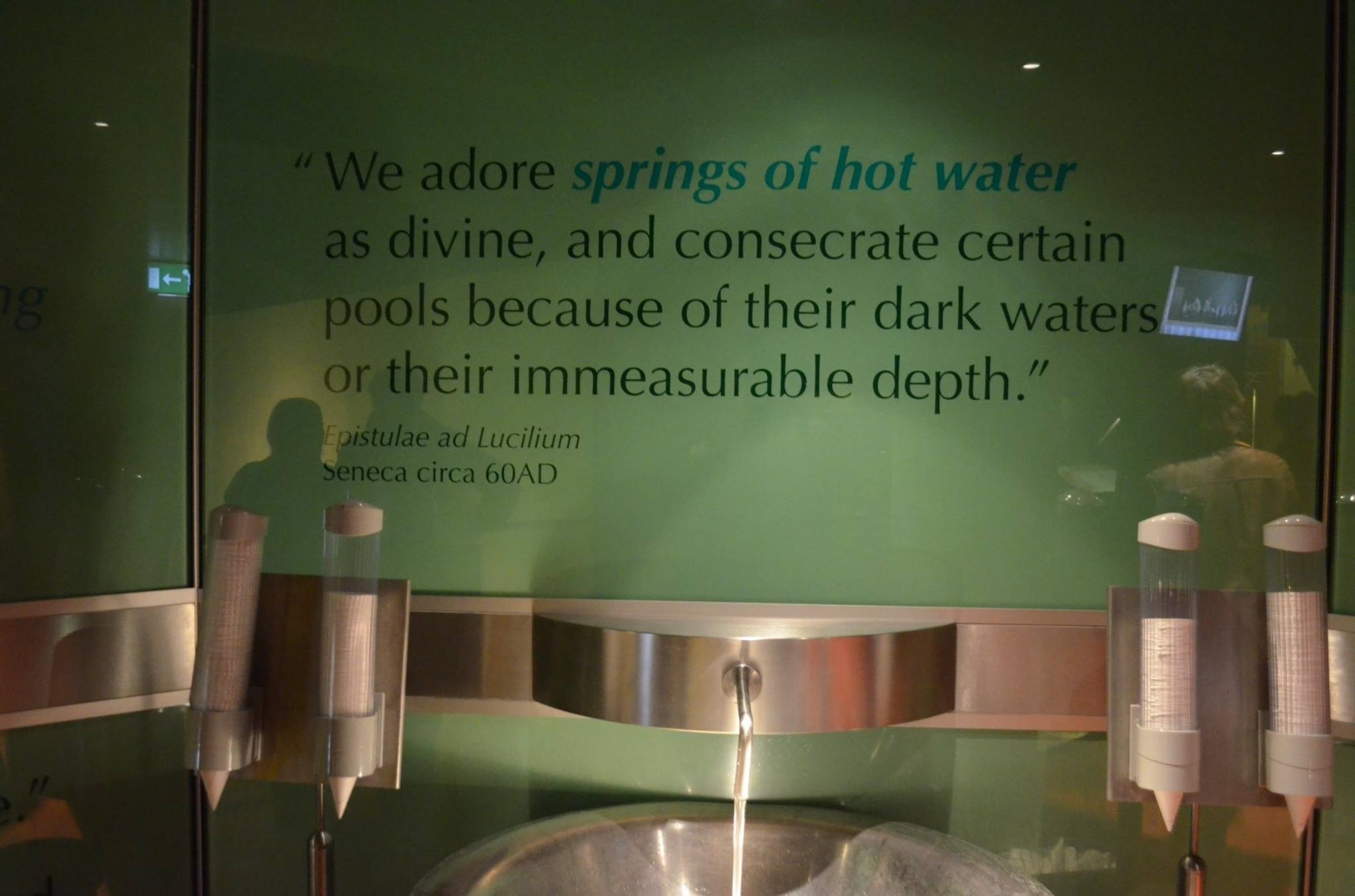
Traveling to the southern part of England, the town of Bath has a fascinating story. Established nearly 2000 years ago, the ruins of the original bath house can still be seen in the museum. Choosing the water for its sulfer properties, it was thought that these waters could heal the most troublesome of ailments, including the likes of leprasy and other skin diseases. Travellers also offered up offerings to the goddess, manerva whom the temple was built for.

One of the most interesting offerings/prayers to the water Goddess were for wishes for a curse to be placed on disliked individuals. Tablets have been recovered with angry inscriptions filled with the wrong doings of others; these were meant to be read by the Goddess who then would punish those appropriatly.

image

Perhaps even better than visiting the museum with these historical artifacts is being able to bath in these magical waters yourself in Baths main outdoor/indoor Thermae spa.

http://www.thermaebathspa.com

Open until the late hours, you cannot beat floating in a naturally heated pool amidst the starry night sky.

A wonderful getaway only an hour outside of London, the mystical healing powers of the ancient waters might just leave you feeling just as refreshed as the ancient Romans.

image


Eloping in Gretna Green

image

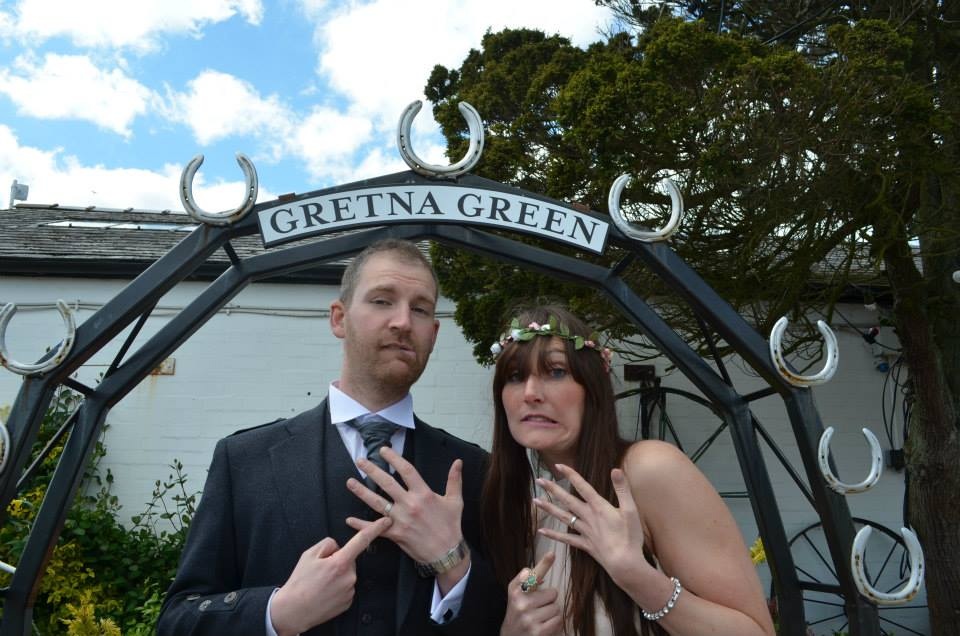
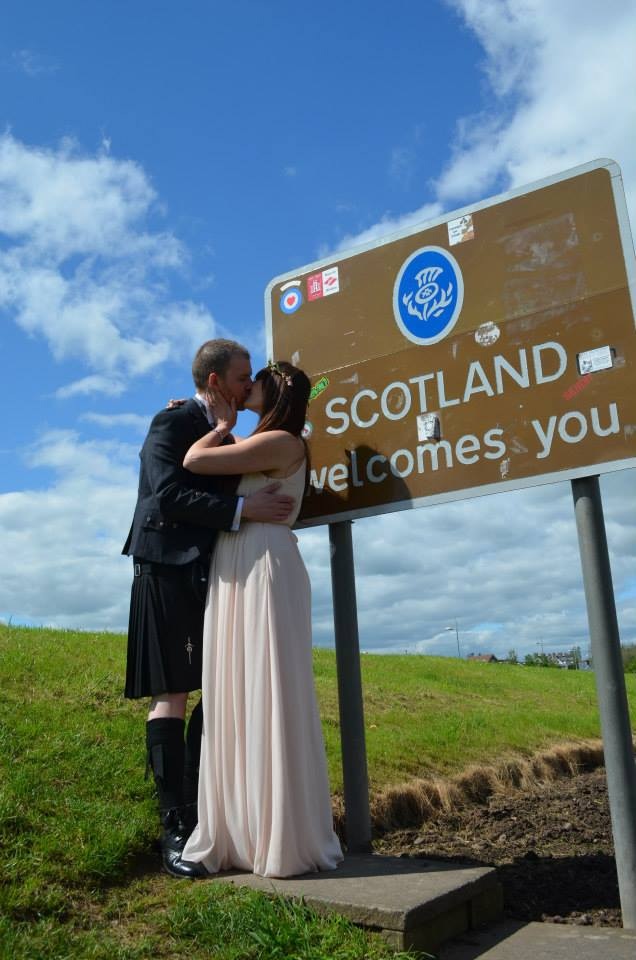
Gretna green is the the classier, Scottish version of Vegas. Made famous during the late 1700’s, it became the place for runaway couples to get married as young as 14 without parents consent. When England passed the “Lord Hardwicke’s marriage act” in 1754 it restricted young couples from marriage in England and Wales, however, it did not apply to Scotland. As the first official town on the border of Scotland, Gretna Green soon grew a reputation for scandalous weddings and romantic love affairs.

image


Adding to Scotland’s appeal, couples also did not require a priest to officially be married. Falling under an ‘irregular marriage’ they only needed 2 witnesses to call the union good. And what better witness than a blacksmith? Soon the local blacksmiths shop became a lovers church and the blacksmith, the priest. Richard Rennison, the last ‘anvil priest’, officiated 5147 weddings before the process finally became illegal in 1939.

Today Gretna is one of the most popular wedding destinations in the world hosting nearly 5000 weddings annually – and we proudly were 4999 in May 2014 (but with my parents consent of course )!